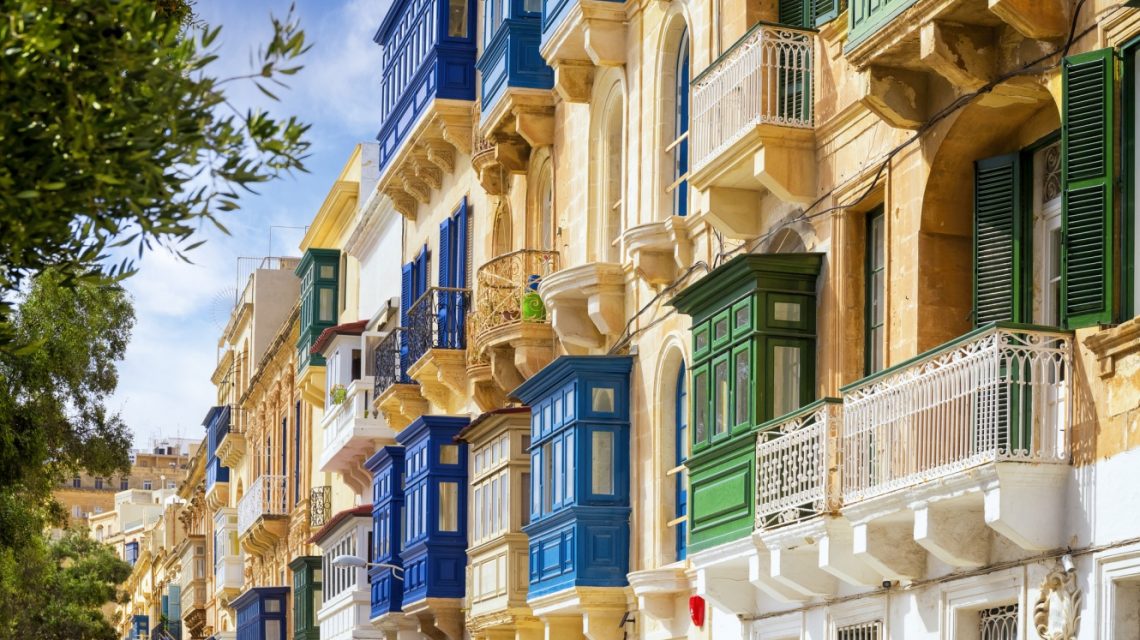
A sea view from a Sliema penthouse. A traditional townhouse tucked away in the streets of Valletta. A modern apartment close to the business districts of Gżira and Msida. Or perhaps a characterful home in one of Malta’s quieter villages. Property in Malta can look very different depending on what you are looking for, which is part of its appeal to overseas buyers.
For some, the attraction is straightforward: owning a home in the Mediterranean that can be enjoyed throughout the year. For others, a Maltese property is an investment, a potential source of rental income, or one part of a longer-term plan to establish a European base.
Whatever the motivation, buying property in another country calls for a little more careful thought. Location, property type, budget, rental prospects, ownership considerations and, for eligible non-EU nationals, potential residency options can all influence whether a particular purchase makes sense. Here’s what overseas buyers should consider before taking the next step.
Why are Overseas Buyers Interested in Maltese Properties?
Malta has several characteristics that make its property market particularly interesting to international purchasers.
As an EU member state with English as an official language, Malta offers a familiar environment for many international buyers. The island is also well connected to major European cities, while its Mediterranean climate and lifestyle make it attractive as both a permanent home and a second residence.
There is also a deeply established international community, with demand for property coming from all walks of life: professionals, business owners, students, retirees, and families. For investors, rental demand can be another consideration. Areas close to business centres, universities, transport links, and the coast can attract strong interest from international professionals and students.
Which Areas are Popular to Buy in?
Malta may be small, but part of its charm is how each of its towns and neighbourhoods offer distinctly different lifestyles and property opportunities. Some of the locations that are particularly popular with international residents and buyers include the following areas:
- Sliema: A cosmopolitan coastal location with a large selection of modern apartments and penthouses, including properties with harbour and sea views. Its waterfront, restaurants, shops, and proximity to business areas make it a favourite with international residents.
- St Julian’s: One of Malta’s best-known international hubs, offering everything from contemporary apartments to high-end residences and penthouses. Prime developments can also come with significant price tags, particularly for properties with views and extensive amenities.
- Valletta: Malta’s capital offers a very different proposition, with historic architecture, cultural attractions, restaurants, and a growing residential scene. For buyers looking for character and city living, it can be particularly appealing.
- Gżira and Msida: Located close to Sliema and Malta’s main business and educational centres, these areas offer a mix of modern apartments and established residential properties, providing an alternative to the higher prices found in some neighbouring areas.
- Swieqi: A largely residential area within easy reach of St Julian’s and Sliema, popular with professionals and families looking for a quieter setting while remaining close to the island’s main international hubs.
- Mellieħa: Further north, Mellieħa offers a more relaxed environment, with sea views, beaches and larger properties. It can suit buyers who want more space without moving away from Malta’s main island.
Other areas worth exploring include Naxxar, Mosta, San Ġwann, the Three Cities and the traditional towns around Mdina and Rabat. For those looking for an even quieter lifestyle, nearby island Gozo offers larger homes, more outdoor space, and a slower pace of life.
The right location ultimately comes down to what you want from the property, whether that is rental demand, proximity to business and amenities, a family-friendly environment, or simply somewhere that feels like home.
What Types of Properties are Available?
The Maltese market offers considerable variety. Modern apartments and penthouses are particularly common in areas such as Sliema, St Julian’s and surrounding neighbourhoods, while traditional townhouses can be found throughout Malta, particularly in historic areas such as Rabat, Mdina, Żebbuġ, and the Three Cities.
For buyers seeking character, properties with internal courtyards, patios and terraces can offer something quite different from a contemporary development. Larger homes with gardens or private pools are also available, although these tend to sit at the higher end of the market.
Properties currently marketed to international buyers can start from around €500,000, while premium homes in sought-after locations can reach €2 million and higher.
Special Designated Areas: An Option for International Buyers
One feature of Malta’s property market that is particularly relevant to overseas buyers is the availability of Special Designated Areas (SDAs). These are government-approved residential developments where international buyers, including non-EU nationals, can purchase property without the usual restrictions that may apply elsewhere in Malta.
SDAs are typically found in some of Malta’s more established and sought-after locations and tend to offer modern apartments and residences, often with amenities such as pools, gyms, and concierge services. Examples include Portomaso in St Julian’s, and Tigné Point and Fort Cambridge in Sliema.
For international buyers, one of the main advantages of this option is flexibility. Non-EU purchasers can acquire property within an SDA without an Acquisition of Immovable Property (AIP) permit, and are not subject to the same single-property limitation that can apply outside these designated developments. SDA properties can also offer flexibility for buyers considering personal use alongside rental arrangements.
SDA status is development-specific, however, so it is important to check that the particular property being considered falls within an approved SDA.
What Should Overseas Buyers Consider First?
Buying property overseas is a significant decision, and the most attractive property on paper may not necessarily be the one that will work best for your circumstances. Before getting too far into the search, it is worth considering a few practical points beforehand:
- Start with your objective
Are you buying a permanent home, a second residence, a rental investment, or a property that could eventually become your main home?
Knowing what you want from the purchase will help narrow down both the location and type of property. Someone looking for rental income, for example, may have very different priorities from a family looking for a long-term home in Malta.
- Look beyond the asking price
While it is a significant bulk of the cost, the purchase price is only one part of the overall cost of buying property in Malta. Buyers should also consider professional fees and taxes, as well as ongoing expenses such as maintenance, insurance and, where applicable, property management.
It is also important to understand the condition of the property. A traditional Maltese townhouse may have plenty of character, but it could require considerably more work than a newly built apartment. Appropriate legal and property advice, which we offer here at Vertex Alliance, can help overseas buyers understand exactly what they are taking on before committing.
- Think about the location in practical terms
A property can look ideal during a short viewing, but how well does the location fit your day-to-day life?
Consider how close you need to be to work, schools, shops, restaurants, healthcare, and transport, as well as whether you prefer a lively coastal area or a quieter residential setting. If you are buying as an investment, consider the type of tenant or buyer the area is likely to attract and how that may affect demand.
- Consider rental potential carefully
If rental income is part of the plan, look beyond the headline rental figure. The property’s location, size, condition and target market will all influence its potential.
A modern apartment in Sliema or St Julian’s, for example, may appeal to international professionals, while a larger home in Mellieħa or Gozo could attract a very different market. Management costs, maintenance and periods without a tenant should also be factored into the overall picture.
5. Check the residency and property purchase requirements
If you are a non-EU buyer, it is important to understand the rules that apply to purchasing property in Malta before choosing a property. In some circumstances, an AIP permit may be required, while properties within SDAs can normally be purchased by international buyers without the same restrictions.
The requirements can also differ depending on whether you are buying as a personal investment, a second residence, or as part of a residency strategy. For eligible non-EU nationals considering the Malta Permanent Residence Programme, for example, the property must meet the programme’s specific requirements in addition to any general property purchase rules.
Understanding these requirements early can help narrow the search and avoid choosing a property that does not fit your circumstances or longer-term plans.
Property and the Malta Permanent Residence Programme
The Malta Permanent Residence Programme (MPRP) is one option that can be relevant to qualifying non-EU nationals.
Under the current rules, applicants using the purchase route must acquire a qualifying residential property in Malta or Gozo with a minimum value of €375,000. Alternatively, a qualifying property can be rented for at least €14,000 per year. The property must generally be retained for at least five years.
There are also additional government fees, contributions and eligibility requirements, so purchasing a property does not in itself provide Maltese residency.
For anyone considering property specifically as part of an MPRP application, it is important to establish that the property meets the programme requirements before proceeding.
Find out more information about MPRP here.
Is Malta Property Right for You?
From a sea view penthouse in St Julian’s, to a character home in Floriana, a traditional townhouse in Rabat, or a larger estate in Gozo – for a small European country, Malta offers phenomenally different property types. Modern developments within SDAs add another option for international buyers, particularly those looking for a streamlined route to purchasing a high-quality property in an established development.
This variety is part of the appeal for overseas buyers, but it also makes it important to look beyond the property itself. The right choice will depend on how you intend to use it, whether as a family home, a second residence, or part of a wider relocation or residency plan. Location, lifestyle, investment objectives and future plans all have a role to play.
For overseas buyers, local advice can make that process considerably easier. At Vertex Alliance, we work with international individuals and families considering Malta as a place to live, invest, or establish a long-term European base, helping clients understand how property fits into their wider plans.
To learn more about establishing your residence or business presence in Valletta, contact our team of specialist advisors to schedule a personalised consultation. Get in touch with Vertex Alliance here.
FAQ
Yes, Malta’s property market is open to international buyers, and the island has long attracted individuals and families from overseas looking for a home, investment or European base. The range of properties available also means buyers can consider everything from modern apartments and penthouses to traditional townhouses and larger homes, depending on their budget, lifestyle and objectives.
Property prices vary considerably depending on the location, size and type of property. Properties currently marketed to international buyers can start from around €525,000, while premium apartments and penthouses in sought-after areas can be higher. Larger houses can reach €2 million or more.
An Acquisition of Immovable Property (AIP) permit is a requirement that can apply to non-EU nationals purchasing property in Malta. Whether a permit is needed depends on factors including the buyer’s nationality, the property being purchased, and where it is located. Properties within Special Designated Areas (SDAs) generally offer greater flexibility, as non-EU buyers can purchase there without an AIP permit. If you are considering buying property in Malta from overseas, it is worth confirming the applicable requirements before committing to a purchase.
Special Designated Areas (SDAs) are government-approved residential developments where international buyers can purchase property under a more flexible framework than which applies to many properties outside these areas. Multiple properties may be acquired, unlike the standard AIP framework. They are generally modern, high-quality developments in established locations such as Sliema and St Julian’s. For non-EU buyers in particular, SDAs can be attractive because they generally do not require an AIP permit and allow greater flexibility around property ownership and use.
Buying property in Malta does not automatically give you residency, but for eligible non-EU nationals, a qualifying property purchase can form part of an application under the Malta Permanent Residence Programme (MPRP). The MPRP has additional eligibility criteria, fees and contributions, so anyone considering property as part of a residency strategy should look at the programme as a whole rather than the property requirement in isolation.
The MPRP is a permanent residence programme for eligible non-EU nationals and their families. Property is one of its key requirements: applicants who choose to purchase must acquire a qualifying property in Malta or Gozo worth at least €375,000, while those choosing the rental route must rent a qualifying property for at least €14,000 per year. There are also other programme requirements, government fees and contributions, so professional advice is recommended before selecting a property specifically for an MPRP application.