Relocating to another country is an exciting milestone, whether you’re moving for business, investment, retirement or a better quality of life. But alongside the excitement comes plenty of decisions, from choosing the right residency programme, to finding a home, understanding the tax system, and planning your children’s education.
At Vertex Alliance, we’ve worked with individuals and families from around the world who have made Malta their new home. While every relocation is different, we often see the same avoidable mistakes made during the planning stage.
The good news is that with the right advice and preparation, most of these challenges can be avoided altogether. Here are some of the most common mistakes people make when relocating to Malta, and how you can avoid them.
Choosing the Wrong Residency Route
One of the biggest mistakes people often make is assuming that Malta has one simple residency programme for everyone. In reality, Malta offers several different routes depending on your nationality, financial circumstances, and long-term goals.
For example:
- The Malta Permanent Residence Programme (MPRP) is designed for non-EU nationals seeking permanent residency through investment
- The Global Residence Programme (GRP) offers eligible non-EU nationals a special tax status, making it attractive for individuals with foreign income
- The Malta Startup Residence Programme (MSRP) supports innovative entrepreneurs looking to establish and grow their business in Malta
- The Nomad Residence Permit is aimed at remote workers employed or contracted by companies outside Malta
- Ordinary Residence is often suitable for EU, EEA and Swiss nationals relocating to Malta
Although some of these programmes appear similar, they have very different eligibility requirements, tax implications and long-term benefits. Choosing the wrong route can lead to unnecessary costs, delays, or even needing to change your residency status later.
Taking professional advice before applying helps ensure you’re selecting the programme that best fits your circumstances, rather than simply choosing the one you’ve read about online.
Leaving Tax Planning Until After You Move
Many people only begin thinking about tax once they’ve arrived in Malta. By then, unfortunately, some opportunities for effective planning may already have been missed.
Your tax position can depend on several factors, including:
- Your country of tax residence before relocating
- Where your income and assets are located
- Whether income is remitted to Malta
- The residency programme you qualify for
- Any applicable double taxation agreements
Planning before your move allows you to structure your affairs more efficiently and avoid unexpected tax liabilities. It also helps ensure you’re fully compliant with both Maltese regulations and any obligations that may continue in your home country.
For business owners, investors and high-net-worth individuals in particular, early tax planning should be considered an essential part of the relocation process rather than an afterthought.
Underestimating School Application Timelines
For families relocating to Malta, finding the right school is often one of the highest priorities. However, many parents are surprised to discover that some schools have waiting lists, particularly for popular year groups.
Malta offers a range of educational options, including state schools, church schools and private international schools. Each has its own admissions process, deadlines, and availability.
If you’re planning a more permanent move, it’s also worth thinking beyond the immediate school year. Some families choose primary schools that naturally feed into their preferred secondary schools, making long-term planning particularly important.
Starting your school search several months before relocating gives you more choice, and reduces the pressure of trying to organise everything after arrival.
Assuming Healthcare is Covered
Healthcare is another area where assumptions can cause problems. Malta has an excellent healthcare system, but access depends on your personal circumstances.
Malta offers a high standard of both public and private healthcare.
EU nationals may be entitled to healthcare under certain arrangements when relocating, while many non-EU nationals will need comprehensive private health insurance. In fact, several residency programmes require applicants to hold qualifying health insurance.
Understanding what cover you need before arriving helps avoid unnecessary complications, and ensures you and your family are protected from day one.
Renting or Buying Before Understanding Different Areas
One of the biggest mistakes people make is choosing a property before they’ve had a chance to experience different parts of Malta. Although the island is relatively small, each locality offers a distinct lifestyle, with varying property prices, amenities, and atmosphere.
Here are some of Malta’s most sought-after locations:
Sliema: Ideal for Professionals and City Living
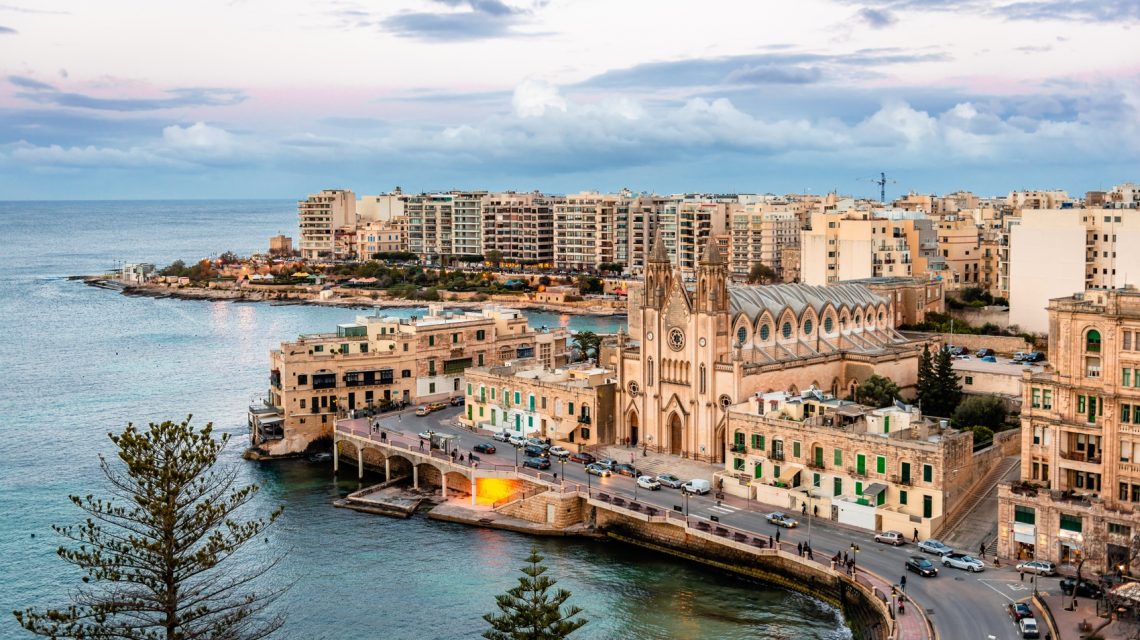
One of Malta’s most popular residential areas, Sliema combines modern conveniences with a lively seafront atmosphere. It’s particularly attractive to expatriates, professionals, and families who want everything within walking distance.
Residents enjoy a wide selection of cafés, restaurants, shopping centres, gyms, and waterfront promenades, while regular ferry services provide easy access to Valletta. The area also offers excellent transport links across the island.
Property here mainly consists of modern apartments and luxury seafront developments, making it one of Malta’s most expensive residential markets. Rental prices for a modern apartment typically start from around €1,200-€1,800 per month, while premium seafront properties can cost significantly more. Purchasing property generally starts at around €350,000, with luxury apartments often exceeding €1 million.
St Julian’s: A Vibrant and International District
Neighbouring Sliema, St Julian’s has become one of Malta’s most cosmopolitan locations. It’s home to many international businesses, language schools, and some of the island’s best-known restaurants and entertainment venues.
Areas such as Spinola Bay offer picturesque waterfront living, while Portomaso and Paceville provide luxury apartments and an energetic social scene. Although Paceville is known for its nightlife, much of St Julian’s offers quieter residential neighbourhoods popular with families and professionals.
Rental prices are similar to Sliema, generally ranging from €1,300-€2,000+ per month, while purchasing property typically starts at around €400,000, rising substantially for waterfront or luxury developments.
Valletta: Historic Charm and Culture
As Malta’s capital city, and a UNESCO World Heritage Site, Valletta offers a completely different living experience. Beautiful limestone buildings, historic streets and cultural attractions create a unique atmosphere unlike anywhere else on the island.
Living in Valletta means being surrounded by museums, theatres, boutique hotels, and waterfront restaurants. The city also serves as Malta’s main transport hub, making it easy to travel across the island.
Properties tend to be converted townhouses, restored apartments and traditional Maltese buildings full of character. Because of their historic nature, some homes may require more maintenance than modern developments.
Rental prices generally range from €1,200-€2,000 per month, while buying property typically starts from around €350,000, with beautifully restored heritage properties often selling for considerably more.
Mellieħa: Space, Beaches and Family Living
Located in the north of Malta, Mellieħa offers a more relaxed pace of life. It’s well known for its panoramic views, sandy beaches and larger residential properties, making it a favourite among families and retirees.
The area provides plenty of outdoor activities, including swimming, hiking, and boating, while still offering supermarkets, restaurants, schools, and essential services.
Because it’s further from Malta’s main commercial districts, commuting into central areas may take longer, particularly during peak traffic hours. However, many residents consider the quieter environment well worth the journey.
Rental prices typically range between €900-€1,500 per month, while purchasing property generally begins at around €300,000, with larger villas and homes commanding much higher prices.
For buyers looking for more space and a calmer lifestyle, Mellieħa offers excellent value compared to some of Malta’s busier coastal towns.
Which Area is Right for You?
There is no single “best” place to live in Malta. The right choice depends on your priorities, whether that’s being close to business centres, finding an international school, enjoying nightlife, living nearer the sea, or having more space for your family.
While areas such as the ones listed are among the most popular choices for international residents, they’re far from the only options. Residential areas such as Swieqi have become increasingly popular with families thanks to its quieter atmosphere and proximity to international schools, while Madliena is known for its exclusive villas, spacious properties and elevated views, making it a sought-after location for those looking for privacy and luxury living.
Ultimately, taking the time to visit different localities before committing to a purchase can help ensure your new home suits not only your budget, but also the lifestyle you’re hoping to build in Malta.
How Professional Advice Can Save Time and Money
Relocating internationally involves careful planning of residency applications, tax knowledge, property decisions, and more, making the process initially more complex than many people expect. But it’s still very much achievable.
Working with experienced professionals can help you avoid costly mistakes and give you confidence that every aspect of your relocation has been properly considered.
At Vertex Alliance, we support individuals, families, and business owners throughout every stage of the relocation process. Whether you’re deciding which residency route is most suitable, planning your tax position, or preparing your documentation, our team provides practical guidance tailored to your personal circumstances.
With local expertise and experience helping international clients relocate to Malta, we aim to make the entire process as straightforward and stress-free as possible.
To learn more about how Malta could support your personal or business objectives, get in touch with our experienced advisors at info@valtd.com.
FAQ
The Malta Permanent Residence Programme allows eligible non-EU nationals to obtain permanent residency in Malta through a qualifying investment, subject to meeting the programme’s financial, property and due diligence requirements.
The Global Residence Programme provides eligible non-EU nationals with a special tax status, including a favourable tax rate on foreign income remitted to Malta, provided the programme’s conditions are satisfied.
Not necessarily. For example, the Malta Permanent Residence Programme (MPRP) grants the right to reside in Malta but does not, by itself, provide the right to take up employment. Other routes, such as Ordinary Residence, may allow employment, while the Nomad Residence Permit is designed for individuals working remotely for employers or clients based outside Malta. Choosing the right residency route depends on your relocation goals.
In many cases, yes. Non-EU nationals are generally required to hold comprehensive private health insurance when applying for residency, while eligibility for Malta’s public healthcare system depends on your individual circumstances and residency status.
For many newcomers, renting first is a sensible option. It gives you time to understand different localities, commuting times, schools, and lifestyle preferences before committing to purchasing a property.
Ideally, six to twelve months before your intended move. This allows sufficient time to choose the right residency programme, organise documentation, plan your tax position, arrange schooling, and secure suitable accommodation.